
Living in West Midtown and the West End: Old Bones, New Trails and a Westside Still Writing Its Story
Old warehouses, older homes and a Westside Trail that now connects 17 miles of Beltline. Here is daily life on the Westside.
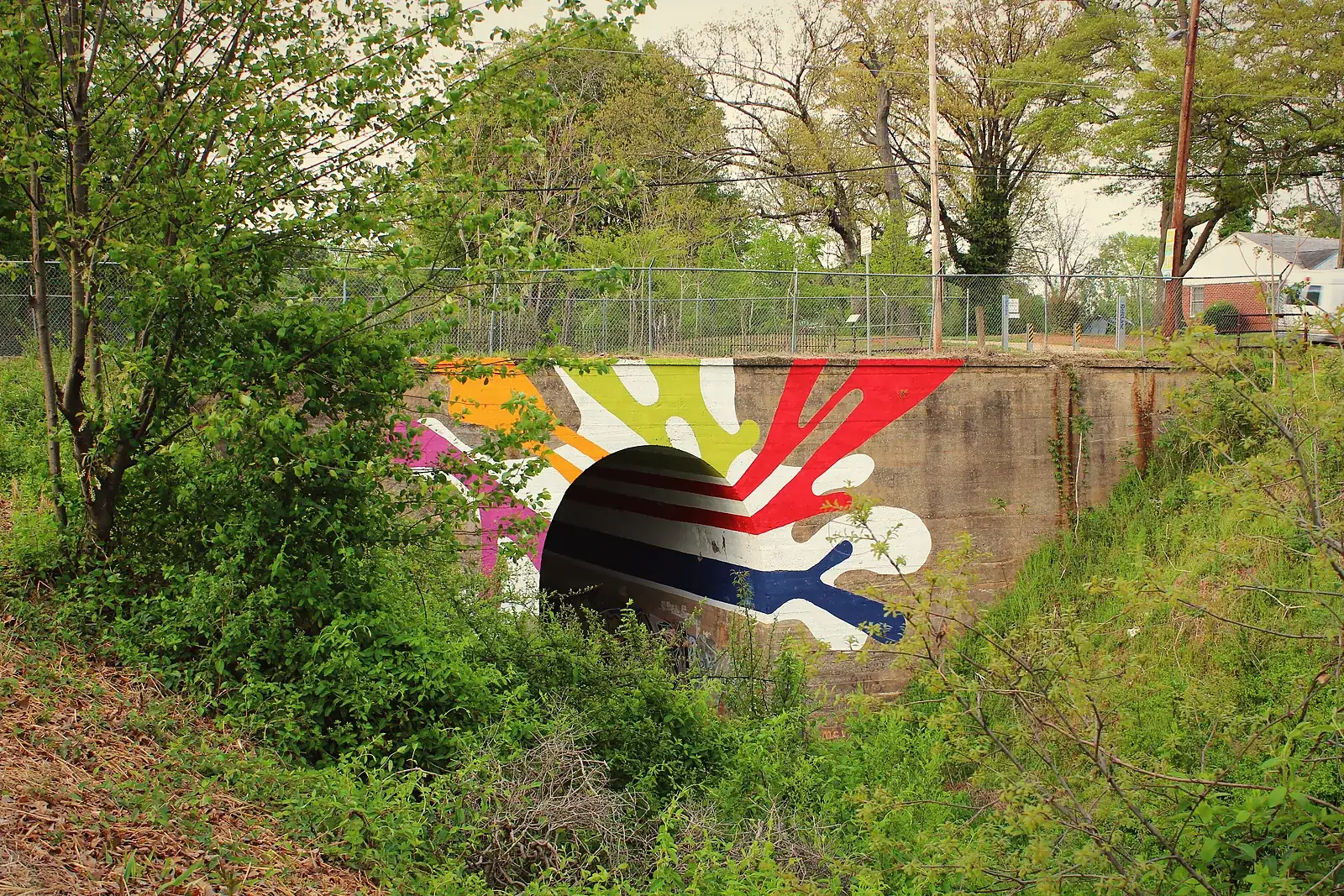
The Lucile Avenue bridge mural along the BeltLine Westside Trail. Photo: Onehiroki, via Wikimedia Commons (CC BY-SA 4.0), color adjusted.
Picture a Tuesday on the Westside. Lunch is at Chattahoochee Food Works, the food hall inside the Makers Building at The Works. A few miles south, the morning starts with coffee from Notable Roasting inside Wild Heaven at Lee + White, then a walk along the BeltLine’s Westside Trail.
The question we hear most here is, “Is the Westside still going to keep changing, or did I miss it?” The friend-to-friend answer: you didn’t miss it. The biggest pieces are still being planned.
Living in West Midtown Atlanta and the nearby West End means older homes, converted warehouses and the BeltLine’s Westside Trail, with more change still in planning. For the three months ending September 2026, Redfin put West End’s median sale price at about $368,000 and Blandtown’s at about $405,000, both under the city’s $425,000.
What is it like living in West Midtown Atlanta?
The Westside is the part of town where people come to make things. Old warehouses hold design studios, breweries, furniture showrooms and food halls. The streets between them still carry delivery trucks, because a lot of this area is still working industrial land.
The Works is a good example of how the Westside is changing. Selig Enterprises turned the first phase of the 80-acre site into offices, homes, shops and Chattahoochee Food Works, which the developer describes as a 31-vendor food hall. Selig also created a new zoning category for the project, called I-MIX. In plain English, I-MIX lets factories, homes and shops share one property, so the Westside can add neighbors without pushing out the jobs that built it.
Around it, you’ll find a mix of homes: newer townhomes in pockets like Blandtown, older bungalows in Home Park near Georgia Tech, and converted loft spaces.
What’s changing on the Westside?
Here’s why the Westside story isn’t over:
- The Works Phase II. In February 2026, Selig submitted a rezoning request for the second phase, covering the remaining 53 acres. The AJC reported it could span 2.2 million square feet. It’s in early planning, with no construction timeline set yet. Think of it as the next chapter being outlined while you’re still enjoying the first one.
- The BeltLine’s northwest stretch. On October 27, 2026, the Atlanta Beltline broke ground on Northwest Trail Segment 2A. When the full Northwest Trail is done, it will run 4.3 miles from Blandtown to the Lindbergh and Morosgo area. The Beltline says 78% of the 22-mile mainline loop is complete, with the full loop targeted for 2030.
- The West End’s big rebuild. The old Mall West End site is being rebuilt as One West End, a $450 million neighborhood with a grocery store and new streets. We covered the whole story in our deep dive on the Mall West End teardown and One West End.
What is it like living in the West End?
If the Upper Westside feels like a workshop, Historic West End feels like a front porch. Oglethorpe Avenue is the street to walk first: old Victorian and Craftsman homes, mature trees and neighbors who’ve been here a long time.
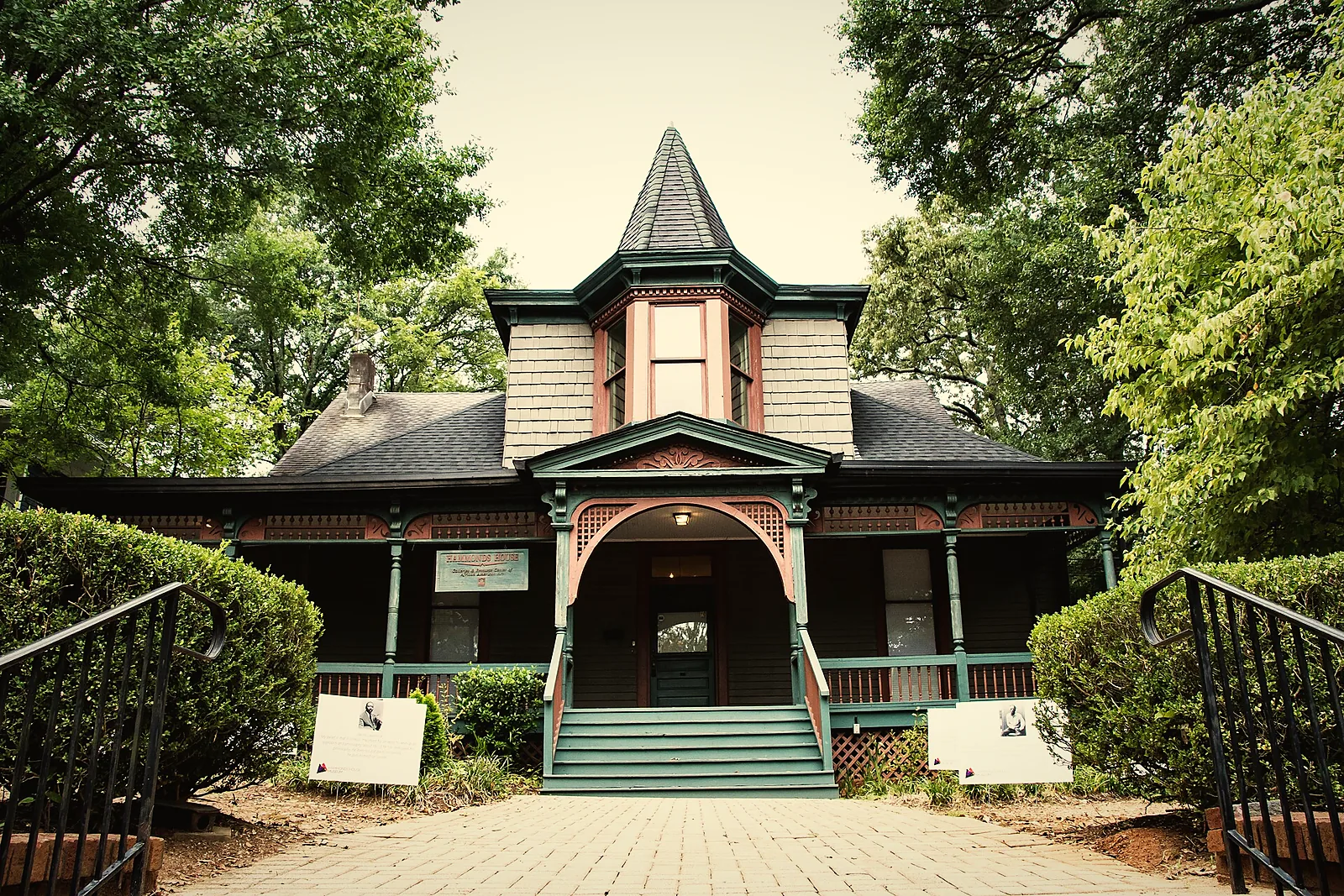
The West End is also one of the best-connected neighborhoods in the city. The Westside Trail runs along its edge, Lee + White brings breweries and food to the trail, and the West End MARTA station gets you downtown fast. Portrait Coffee is a favorite gathering spot, and The Infatuation called it “a fresh gathering spot for java lovers in historic West End.”
How does the BeltLine connect the Westside to the rest of the city?
Here’s the hidden connector on this side of town. For years, the Westside Trail stopped and started. Then, on June 23, 2025, the Atlanta Beltline opened Westside Trail Segment 4, a 1.3-mile stretch from Lena Street near Washington Park north to Law Street. That created 6.7 continuous miles of trail, from University Avenue in southwest Atlanta to Huff Road in northwest Atlanta, according to the Beltline.
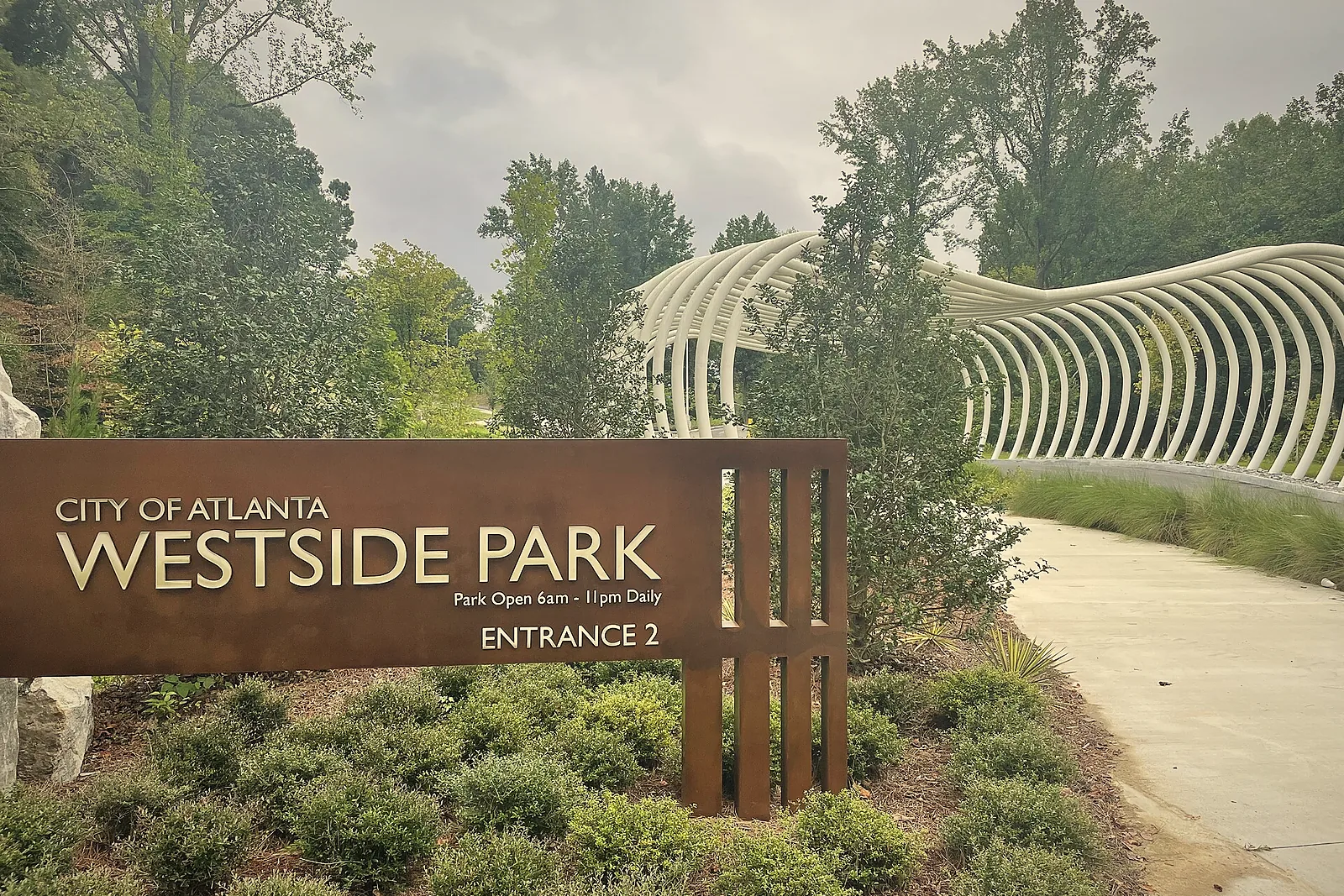
A year later, on June 12, 2026, the Beltline opened Southside Trail Segments 2 and 3. That joined the east and west sides into nearly 17 continuous miles, a stretch the Beltline nicknames “The U,” running from Armour Yards down through Piedmont Park and around to Blandtown.
There’s also a shortcut to downtown. The 1.6-mile Westside Beltline Connector links the Westside to downtown Atlanta and Mercedes-Benz Stadium, according to the Beltline.
What that means in real life: from the West End, you can walk or bike to Lee + White, Washington Park or Blandtown without a car. And on game days, you can skip the parking hunt.
Is the Westside a good place to buy an older house?
It can be, especially if you love character. Older homes here often come with high ceilings, original wood floors and generous porches, and some lots allow for a duplex or a garage apartment. The way forward with any older home: plan for a careful inspection, because a 100-year-old house always has stories to tell. Our pre-offer question list, linked at the end of this post, covers what to ask.
How much do homes cost on the Westside and in the West End?
Here’s the snapshot for the three months ending September 2026, from Redfin:
| Area | Median sale price | Median days on market |
|---|---|---|
| West End | $368,000 | 72 |
| Blandtown | $405,000 | 92 |
| Home Park | $562,000 | 65 |
| City of Atlanta | $425,000 | 63 |
What that means in real life:
- Your money can go further here. West End’s median sits about $57,000 under the city’s. That’s roughly the size of a healthy down payment.
- You have time and leverage. Homes in West End and Blandtown are taking longer to sell than the city as a whole, so you can tour without rushing and negotiate without a bidding war.
- Prices vary block by block. Home Park, close to Georgia Tech, runs much higher than its neighbors. A local guide helps you see why one street costs more than the next.
What surprises people about living on the Westside?
The Upper Westside still has industrial blocks and truck traffic. That’s part of its personality, and it’s also what keeps it from feeling like every other neighborhood. The way forward: walk a block at 8 a.m. on a weekday before you fall in love with a house. Some streets are quiet and residential, and some sit right next to a loading dock. We can help you find the right side of that line.
The West End feels more settled than people expect. Many buyers arrive thinking of it as a “new” neighborhood and find long-time owners, historic homes and a tight community instead.
Who does the Westside fit best?
- Creatives and people who work from home. Studios, coffee shops and food halls make easy third places.
- Older-house buyers. If you want original details and a porch, Historic West End is one of the best places in the city to look.
- House hackers. Some properties here include duplexes, so you could live in one unit and let the other help with the mortgage. Our investing guidance for first-time house hackers explains how to run those numbers.
Smart ways to shop the Westside
- Follow the trails. Homes within an easy walk of the Westside Trail, and of the future Northwest Trail, put the BeltLine at your door. We’ll map the blocks that fit your budget.
- Ask about zoning before you buy. Industrial and mixed-use zoning can change what gets built next door. Checking it is part of what we do before you write an offer.
- Budget for the age of the house. A careful inspection and a repair plan turn an old-house surprise into a known number.
- Picture the full loop. The BeltLine is targeting 2030 for its full mainline trail. Our map of the BeltLine loop and the neighborhoods along it shows where the Westside fits.
Questions people ask
People use the names loosely. West Midtown usually means the blocks west of Georgia Tech, while “the Westside” can stretch from the Upper Westside down to the West End and the Westside Trail.
Yes. The BeltLine’s Westside Trail runs along the West End, with Lee + White right on the trail.
Downtown and Midtown sit just east, and Buckhead is north. Our downtown versus Midtown neighborhood comparison and our Buckhead and Sandy Springs story cover both.
Start with our full Atlanta neighborhood guide, or jump to each area on the Ju Sells ATL home page.
What this means for you
If you’ve been wondering whether you missed the Westside, the answer is no. The Works is planning a 53-acre second phase, the BeltLine just broke ground on another northwest segment, and the West End is rebuilding its old mall site. Meanwhile, West End and Blandtown homes are selling under the city median and taking their time, which gives you room to choose carefully. Buying a home with real character now could mean you’re settled in as the next pieces arrive.
If you’re curious which Westside street fits your budget and your routine, start a conversation with Julian at Ju Sells ATL and let’s walk it together.
Keep reading more from the Journal
Ask Ju
What Is Cap Rate? A Simple Answer for Atlanta Buyers
Cap rate in one sentence, plus a simple example you can run on any Atlanta investment property.
Make the Move Make Sense
Before You Fall for a House: Questions to Ask First
Love the house? Good. Ask these questions first, because Georgia law leans buyer beware.
The Journal
Every story, in one place
Neighborhood guides, Ask Ju answers and building spotlights.
Sources and fact checks (13)
- Atlanta Beltline: Atlanta Beltline breaks ground on Northwest Trail Segment 2A (Oct. 27, 2026): beltline.org
- Selig Enterprises: The Works development initiatives: seligenterprises.com
- The Works: Chattahoochee Food Works: theworksatl.com
- REBusiness Online: Selig submits rezoning request for second phase of The Works (Feb. 11, 2026): rebusinessonline.com
- The Real Deal: NY developers steer \$450M Atlanta mall redevelopment back on track (Sept. 16, 2025): therealdeal.com
- joe coffee: Notable Roasting (West End): joe.coffee
- The Infatuation: West End, Atlanta: www.theinfatuation.com
- Atlanta Beltline: Atlanta Beltline celebrates new addition to Westside Trail (June 23, 2025): beltline.org
- Atlanta Beltline: Atlanta Beltline opens final piece of trail ahead of FIFA, connecting east and west (June 12, 2026): beltline.org
- Redfin: West End housing market (checked Oct. 30, 2026): www.redfin.com
- Redfin: Blandtown housing market (checked Oct. 30, 2026): www.redfin.com
- Redfin: Home Park housing market (checked Oct. 30, 2026): www.redfin.com
- Redfin: Atlanta housing market (checked Oct. 30, 2026): www.redfin.com
Every figure was checked on the live source page in October 2026. Hero photo: The Lucile Avenue bridge mural along the BeltLine Westside Trail. Photo: Onehiroki, via Wikimedia Commons (CC BY-SA 4.0), color adjusted.